
Updates When There Are No Updates
Most teams have some kind of standing, recurring meeting to touch base with staff and provide updates. These meetings are great venues for group managers to pass along information from the top of the company down.



Practical HR Tips, News & Advice. Updated Daily.
Most teams have some kind of standing, recurring meeting to touch base with staff and provide updates. These meetings are great venues for group managers to pass along information from the top of the company down.
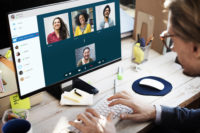
It’s hard to get a clear read on your organization’s culture in the best of times. It’s much harder now, as just about everyone is working from home.

Part of the burden of being the boss is making the important decisions: whether it’s necessary to authorize costly overtime to meet a production deadline; if the company should apologize to a customer over a disagreement or stand firm in its position; if a supplier should be replaced; etc.

As environments around us are changing exponentially, thriving organizations are ones that are able to adapt and be nimble. Being comfortable with change, uncertainty, and ambiguity takes a workforce skilled in learning.

Managing employee engagement has its challenges and even more so now that many workplaces have been forced to go remote. Now, employees are experiencing different levels of engagement for a variety of reasons.

What do you do when 35% of your employees say they do not understand their growth and career path at your organization? For one organization, the problem highlighted a need to closely examine its performance evaluation system. With some trial and error, it decided to implement a scorecard system, yielding great results.
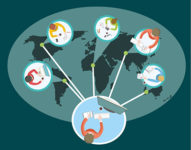
With unprecedented numbers of employees shifting to remote work for many companies in response to the global COVID-19 pandemic, managers are facing new challenges when it comes to supervising their teams.

In the midst of the COVID-19 pandemic and stay-at-home orders issued for the vast majority of U.S. states, most companies that can have staff work from home are doing so. This creates a host of logistical and management challenges for many companies.

These are stressful times for everyone, and in a work environment where mental illness was already a rising concern for many organizations, the COVID-19 crisis is creating new concerns. Employees are anxious not only about their health and the health of their loved ones but also about the economy, child care, and their job security.

In a crisis, our attention tends to shift from the most common, everyday concern of needing approval to the more basic needs of security and control (water, food, shelter, etc.).