
Pros and Cons of an Open-Door Policy
An open-door policy is one in which employees are encouraged to bring any concern to company leadership—whether it’s their direct supervisor or someone another level up in the organization.



Practical HR Tips, News & Advice. Updated Daily.
An open-door policy is one in which employees are encouraged to bring any concern to company leadership—whether it’s their direct supervisor or someone another level up in the organization.

The saying “time is money” may be cliché, but that doesn’t make it any less true. In our modern information economy, companies’ greatest assets are their employees.
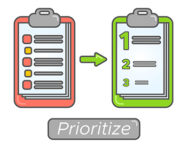
As business becomes increasingly global and interconnected, competition can come from virtually anywhere in the world. And as business becomes more complex, there seems to be an ever-growing list of necessary skills and capabilities required to succeed.

For business owners and executives, mergers and acquisitions (M&As) can be an exciting time to achieve rapid growth and even smash goals that otherwise would have been unattainable.

In the early days of a company and throughout the life of small businesses, a single person or handful of employees might find themselves doing virtually everything, from production to marketing to accounting and compliance.

When an employee is acting “strangely,” a supervisor or manager might innocently ask him or her questions that could lead to legal liability for your company. When it comes to managing mental health in the workplace, it’s important to train supervisors and managers on how to engage with an employee whose behavior is affecting job […]

In order to be successful in this technologically driven workforce, Harvard Business Publishing Corporate Learning (HBPCL) stresses that leaders should build digital fluency among their employees. Beyond developing skills in domains such as data analytics, automation, and blockchain, digital fluency also means being able to spot trends and seize the possibilities that new technologies can […]

There’s a lot of buzz about how to measure employee engagement these days—and for good reason. Engagement drives satisfaction, which leads to loyalty and productivity. But, how is engagement really determined or measured? Is it about employee satisfaction scores?

As HR, it goes without saying that you want the best for your company’s people.

Performance reviews are a key element of any employee training and development process. Frequent feedback is crucial in reinforcing positive behaviors and addressing and correcting negative ones.